Paver Restoration vs. Replacement: When a Deep Clean + Sand + Seal Is Enough
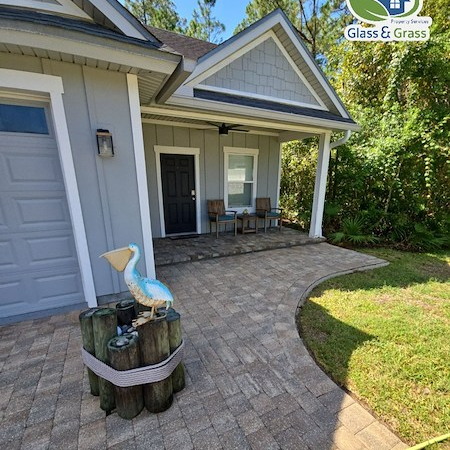
If your patio or driveway looks tired, paver restoration in Fernandina Beach, FL can bring back color, traction, and curb appeal without tearing everything out. Many homeowners are surprised how much life returns after a professional deep clean, fresh paver joint sand, and a quality sealer. See what’s possible and when it makes sense to choose a full replacement. If you are ready to compare options, explore our paver restoration service and see how Glass & Grass approaches each surface with care.
Paver Restoration In Fernandina Beach: Deep Clean, Sand, And Seal
Coastal weather shapes how pavers age here. Sun fades color on open driveways from Amelia Island to Historic Downtown. Salt spray and humidity can leave a chalky film. Shade from oaks holds moisture, so algae and mildew settle into textured surfaces. A smart restoration plan targets each issue in order: remove organic growth, lift stains, reset joints with the right sand, and seal to lock in the look.
High-quality restoration is not a quick rinse. It is a system that respects the stone or concrete, the setting, and the local climate. The right methods help prevent joint washouts during summer thunderstorms and reduce new stains during hurricane season.
Local insight: In low-lying spots near Egans Creek or marsh-side streets, extra attention to drainage and joint stabilization keeps sand from washing out after heavy rains. A proper seal helps shed water and slows algae regrowth between cleanings.
When Restoration Is The Right Choice
Restoration shines when the structure under your pavers is sound. If the base is stable and you like your pattern and color, cleaning, re-sanding, and sealing can deliver a dramatic upgrade. Homeowners in North Hampton and American Beach often choose restoration to refresh faded patios or slick pool decks before hosting out-of-town guests.
- Surface looks dull or stained, but pavers are intact with minor settling.
- Joints are low or weedy, yet the edge restraints still hold their line.
- You want richer color and easier maintenance without a full remodel.
- There are isolated oil or rust spots rather than deep cracks or heaving.
Many clients ask about polymeric sand after pressure washing. When applied by a trained crew, it sets firm, resists washouts, and deters weeds and ants. It also supports the top edges of each stone so traffic does not rattle the field. Used with a breathable sealer, it completes the protective envelope.
To see how this fits your property, browse examples and the full process on our paver restoration page. You will learn how our team evaluates base stability, drainage, shade, traffic, and cleaning history before recommending next steps.
When Replacement Makes More Sense
Replacement is the better path when the foundation has failed or when you want a new layout or material. If you see widespread sinking, large tree-root heaves, or standing water across several low zones, a new base and fresh pavers often save headaches later. In older driveways near tight-rooted oaks, roots may keep lifting sections even after a reset.
You might also choose replacement if the original pavers are discontinued and you plan to enlarge the patio or move the footprint. A full reset can solve recurring drainage problems, improve accessibility, and align slopes with today’s best practices.
Standing water shortens paver life. If puddles linger after every storm, talk with a pro about regrading and drainage improvements along with any surface update.
How Pros Restore Faded Pavers Without Replacing Them
Restoration focuses on the visible and functional layers. A trained crew selects detergents for the stain type and material, then rinses with controlled pressure and flow to protect edges and joints. The goal is a deep clean that lifts algae, mildew, and embedded dirt without scarring the surface.
Next comes joint stabilization. Fresh paver joint sand supports interlock so the surface moves as one. Where project conditions call for it, polymeric sand is swept and compacted to fill the joints, then lightly activated to lock in place. Using polymeric sand after pressure washing is common in coastal neighborhoods because it helps resist washouts during heavy summer rains.
Finally, sealing enriches color and adds a protective barrier. Penetrating or film-forming sealers are chosen for the paver type, traffic, and sun exposure. Sealers need routine reapplication to maintain stain resistance and color pop over time, especially on driveways that bake in the afternoon sun.
Deep Clean + Polymeric Sand + Seal: Benefits You See And Feel
- Richer, more even color that highlights your pattern without looking painted.
- Tighter joints that discourage weeds and ant tunnels, with less sand tracked indoors.
- Easier cleaning because spills and mildew do not bite into open pores as quickly.
- Improved traction on pool decks and walkways when sealed with the proper finish.
Sand must be dry before sealing. Locking in moisture can cloud the finish and trap stains. Timing in Fernandina Beach matters because afternoon pop-up showers are common in late spring and summer.
Local Factors Around Fernandina Beach That Affect Results
Here in Nassau County, weather swings and microclimates change how pavers age from street to street. Breezy, sun-drenched driveways on Amelia Island fade faster but dry well, which is helpful for sanding and sealing. Shady courtyards downtown may need gentler detergents for biological growth and more curing time between steps.
Pool decks near the ocean feel the pinch of salt and sunscreen. A sealer with good UV protection and the right traction profile helps keep color truer and feet safer. Avoid harsh chemicals on sealed pavers because they can break down protection early and lead to uneven wear.
Newer subdivisions like those between Fernandina Beach and Yulee often have well-compacted bases that respond beautifully to a restoration. Older installations may need minor paver resets before sanding. Either way, a careful inspection separates cosmetic issues from structural ones so you do not spend twice.
Comparing The Paths: Restore Now Or Replace Later
Think about your goals over the next few years. If you like your current layout and your base is holding firm, restoration can carry you forward with a fresh, low-gloss or enhanced look. If you plan a pool remodel, an outdoor kitchen, or a major footprint change, it can be wise to hold restoration and put that budget toward a comprehensive redesign.
If you are unsure, start with a professional assessment. A short visit reveals whether your issues are top-layer or deep-rooted. From there, you can choose a targeted restoration today and keep replacement as a future option if your needs change.
How We Protect Your Investment
Choosing the right partner matters as much as choosing the right method. Our team documents pre-existing conditions, protects nearby landscaping, and selects cleaners based on your specific paver and stain profile. We coordinate the schedule to dodge forecasted showers and allow proper curing windows between each phase.
We also think beyond the patio or driveway. Roof drip lines, overflowing troughs, and clogged downspouts can dump water that scours your joints. If we notice these risks during our site walk, we will recommend maintenance that supports a longer-lasting finish. For broader exterior care, explore our pressure washing company services to see how a whole-home plan preserves curb appeal.
Color expectations are part of the conversation too. Sealing tends to deepen tones. We will talk sheen, traction, and maintenance so the final look matches your taste and lifestyle. That way the surface feels right the first time you host a backyard get-together.
Maintenance After A Professional Restoration
Once restored, your pavers are easier to live with. Gentle rinses, quick attention to spills, and regular sweeping preserve the finish between professional cleanings. Most driveways and patios benefit from periodic touch-ups tailored to sun exposure and traffic levels.
Gutters and screens help more than most people think. Keeping runoff where it belongs protects your joints and keeps dirt from streaking across clean pavers. For a cleaner roofline and fewer washouts along edges, many homeowners pair restoration with seasonal exterior care that includes the right rinsing techniques.
If you are researching upgrades for the rest of your exterior, our team can walk you through options and timing so projects do not step on each other. That sequencing avoids rework and keeps your spaces usable while improvements are underway.
Why Glass & Grass For Paver Restoration
From beachside patios to brick driveways under heavy oak shade, we see the full range of surfaces across Fernandina Beach. Our process is built for coastal life, not just generic cleaning. We evaluate base movement, joint depth, drainage paths, and exposure before we recommend anything. That prevents quick fixes that do not last.
You will get clear expectations about color enhancement, cure times, and future maintenance. We also stand behind our work so you can enjoy the result with confidence. If pavers are best served by replacement, we will say so and explain why, with photos and simple language you can trust.
For a broader look at how we maintain exteriors with care, you can learn more about our approach on the paver restoration in Fernandina Beach, FL section of our site and see how it ties into routine home maintenance across the year.
Ready To Revive Your Pavers?
Your next step is simple. Schedule a quick on-site evaluation so we can check the base, joints, drainage, and exposure. If restoration is the right call, we will outline a deep clean, sand, and seal plan that fits your surface and the Fernandina Beach climate. If replacement makes more sense, we will help you understand the why.
Call 904-849-5430 to talk with a friendly specialist at Glass & Grass, or start here to see what our team can do with a focused, local process on our paver restoration service.

